TREND TWO:
MICROPLASTIC-REDUCING PRODUCTS
TREND TWO:
MICROPLASTIC-REDUCING PRODUCTS
©Emini/Adobe Stock
Microplastics are tiny pieces of plastic, less than 5 millimetres in size, that are generated by the degradation of larger plastic items. According to Penn State University the sources of microplastics are varied but synthetic clothing, car tires, city dust, road markings, and marine coatings are among the largest contributors.
These fragments are now all-pervasive, with one eye-catching study finding that humans inhale 68,000 microplastic particles every day. Research on the effect this has on our health is in its infancy, but there is growing evidence that microplastics could be harmful, with studies linking them to inflammation, an impaired immune system, deteriorated tissues, altered metabolic function, abnormal organ development, and cell damage to name just a selection of impacts.
The issue is also increasingly emerging on the radar of consumers with a 2025 survey of US consumers by the National Cotton Council finding that 68 per cent of respondents are highly concerned about microplastics getting into the products we eat and drink.
In response, innovators are increasingly creating solutions that help to tackle the issue in everyday products, such as clothing.
© Emin/Adobe Stock
INNOVATION ONE:
Minimising microplastics from synthetic textiles
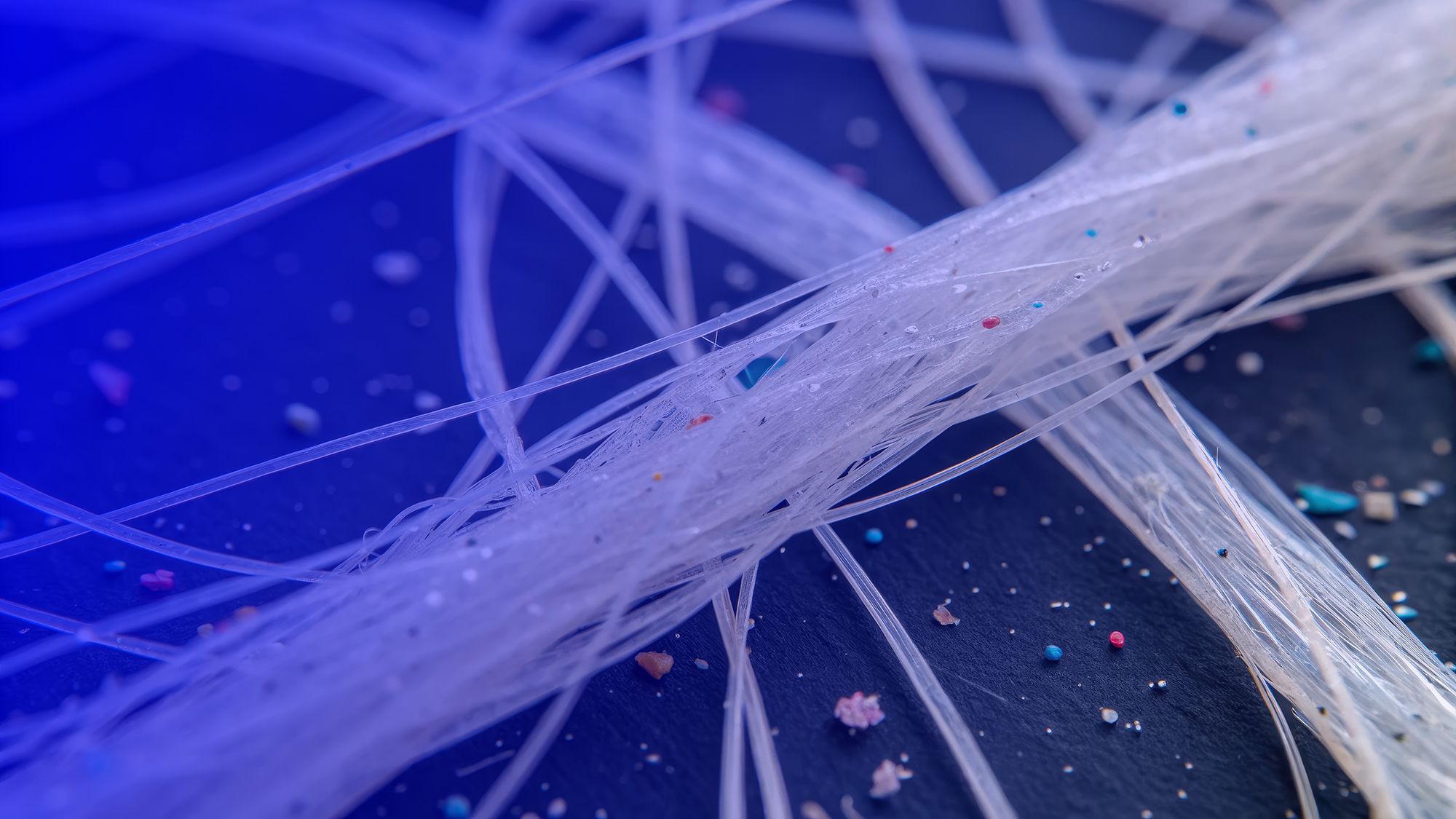
Some of the world’s most popular clothing materials, such as polyester and nylon, are composed of plastics. These synthetic fibres aren’t biodegradable, so when they’re released into the environment through washing clothes or by other means, they stay there indefinitely.
Combatting plastic microfibres once they’ve entered the vast marine environment is a near impossible task, which is why US company Intrinsic Advanced Materials (IAM) wants to target the issue at its source. To do this, IAM created CiCLO, a technology that enables synthetic fibres to behave more like natural ones once thrown away, meaning they break down rather than persisting in the environment.
Essentially, CiCLO acts as a sustainable textiles ingredient that is added to polyester and nylon at the start of the fibre-making process during melt extrusion. In doing so, the solution, which is non-toxic to marine life, creates countless biodegradable spots within the matrix of the plastic material.
When microfibres from CiCLO-treated synthetic textiles are shed and undergo prolonged exposure to moisture and microorganisms, microbes that naturally occur in certain environments can uses these biodegradable spots as pathways.

Rigorous testing of CiCLO fibres has demonstrated that they are effectively metabolised by microbes.”
© LightgeoPakin/Adobe Stock
This enables them to break down the fibres into basic natural elements in a similar way that they would with fabrics like wool.
Rigorous testing of CiCLO fibres has demonstrated that they are effectively metabolised by microbes in environments like wastewater plant sludge, seawater, soil, and landfills, while untreated textiles remain intact in the same environments. For instance, after over 1,000 days in natural seawater, CiCLO fibres biodegraded by 94.34 per cent, compared to just 4.97 per cent for untreated fibres. In soil, CiCLO microfibres biodegraded by 91.1 per cent, unlike untreated microfibers that didn’t biodegrade at all. And after being exposed to anaerobic landfill conditions, the treated fabric broke down by 91.1 per cent, versus the untreated counterpart, which only reached 6.2 per cent biodegradation.
The technology has been proven safe for use in sustainable textiles with OEKO-TEX ECO PASSPORT certification, and third-party labs have tested the treated fabrics for biodegradation using internationally recognised ASTM and ISO test methods. Easy to implement into existing manufacturing systems, the CiCLO technology has already been used by leading brands such as Target, Billabong, McDonald’s, and Best Western Hotels.
TAKEAWAYS:
- Over 14 million tonnes of microplastics have now accumulated on the ocean floor, including those generated by our clothes
- US company Intrinsic Advanced Materials (IAM) has created CiCLO, a technology that enables synthetic fibres to behave more like natural ones once thrown away
- Rigorous testing demonstrated that CiCLO fibres are effectively metabolised by microbes in environments like wastewater plant sludge, seawater, soil, and landfills
INNOVATION TWO:
Tackling laundry microplastic pollution
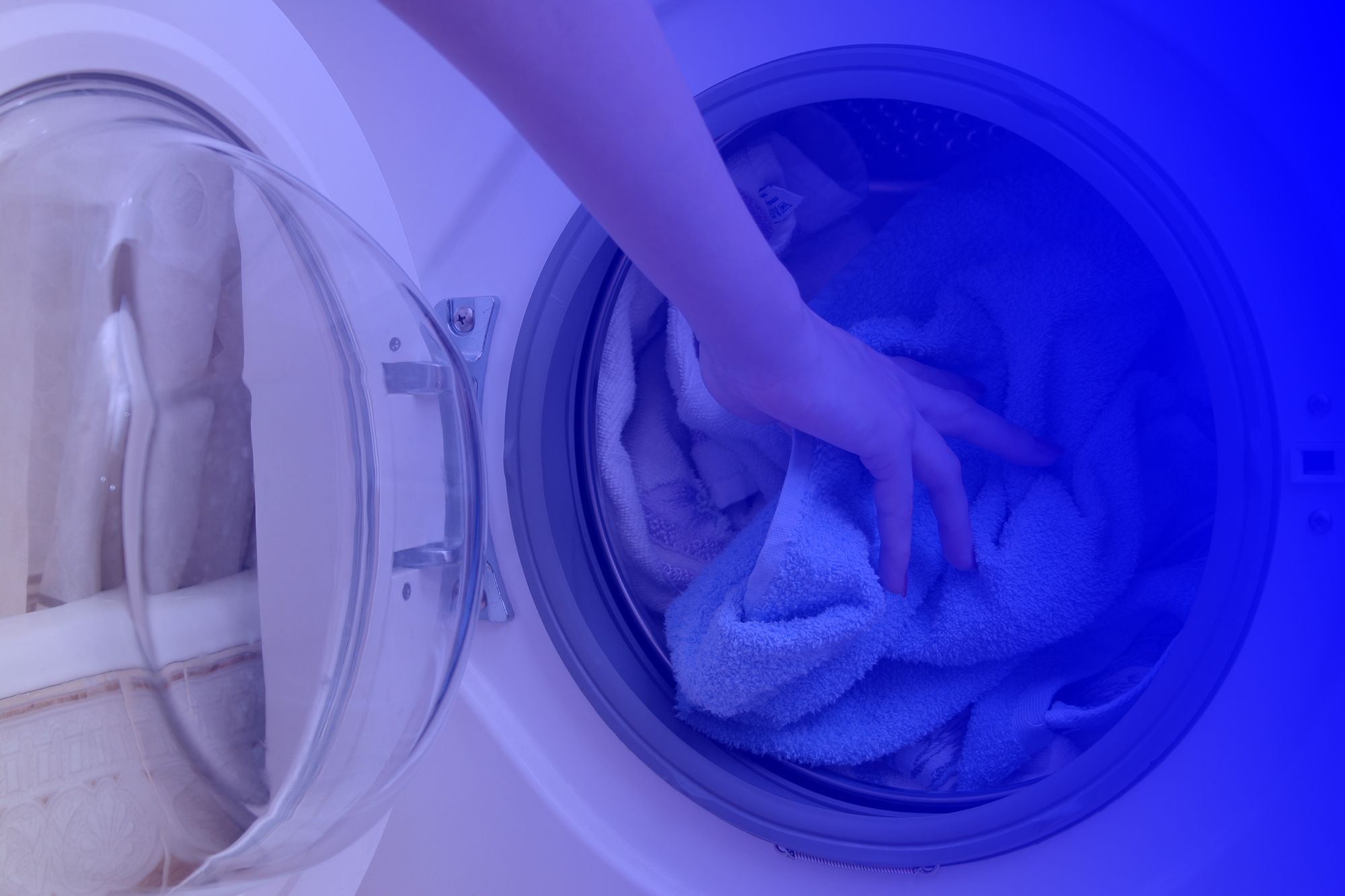
When it comes to making our weekly laundry greener, most of us focus on water or energy use, but our washing machine’s plastic footprint is also cause for concern. It’s estimated that 18 million microfibres, which are shed as synthetic materials spin around in the machine, can be generated during a single laundry load. Now, startup GUPPYFRIEND wants to help.
Several years ago, GUPPYFRIEND founders Alexander Nolte and Oliver Spies, who owned stores selling surf gear and outdoor apparel, became concerned by reports that microfibres from some of the products they were selling were ending up in rivers, lakes, and oceans, where they posed health threats to marine plants and animals.
The desire to do something eventually led to the development of GUPPYFRIEND in 2016, a mesh laundry bag designed to go into the washing machine. The bag captures fibres shed by synthetic clothing like fleece jackets, preventing the fibres from escaping into wastewater and the ocean.
Nolte and Spies chose 50-micron mesh nylon for the bags’ material because it does not easily shed fibres and allows soapy water to enter without letting fibres that have been shed to escape.
It does not easily shed fibres and allows soapy water to enter without letting fibres that have been shed to escape.”
© Alexandr Denisenko/Adobe Stock
The bag is removed from the washer at the end of a cycle and the fibres, which are easily visible against the white mesh, can then be removed by hand and disposed of safely. Tests show that the bag can last for hundreds of washes.
Funded partly through a Kickstarter campaign, GUPPYFRIEND also attracted the attention of outdoor retailer Patagonia, who gave the company a $108,000 grant to help develop the mesh bag and production supply chain. Patagonia, which is interested in reducing microfibre pollution, also distributed the bags through its own platform – choosing to sell the bags at the same price they were bought from GUPPYFRIEND, rather than making a profit.
Following the success of the GUPPYFRIEND wash bag, the company also developed and now sells dishcloths, cleaning cloths, and sponges that do not shed microfibres. GUPPYFRIEND’s product portfolio also includes sink filters, washing machine filters, shoe insoles, laundry detergent, and a bike cleaner, which are all free from microplastics, petrochemicals, and dyes.
TAKEAWAYS:
- It’s estimated that 18 million microfibres, which are shed as synthetic materials spin around in the machine, can be generated during a single laundry load
- GUPPYFRIEND is a mesh laundry bag, designed to go into the washing machine, that captures fibres shed by synthetic clothing like fleece jackets
- The bag is removed from the washer at the end of a cycle, and the fibres can then be removed by hand and disposed of safely