TREND FIVE:
ALGAE
TREND FIVE:
ALGAE
© Pete Niesen/Adobe Stock
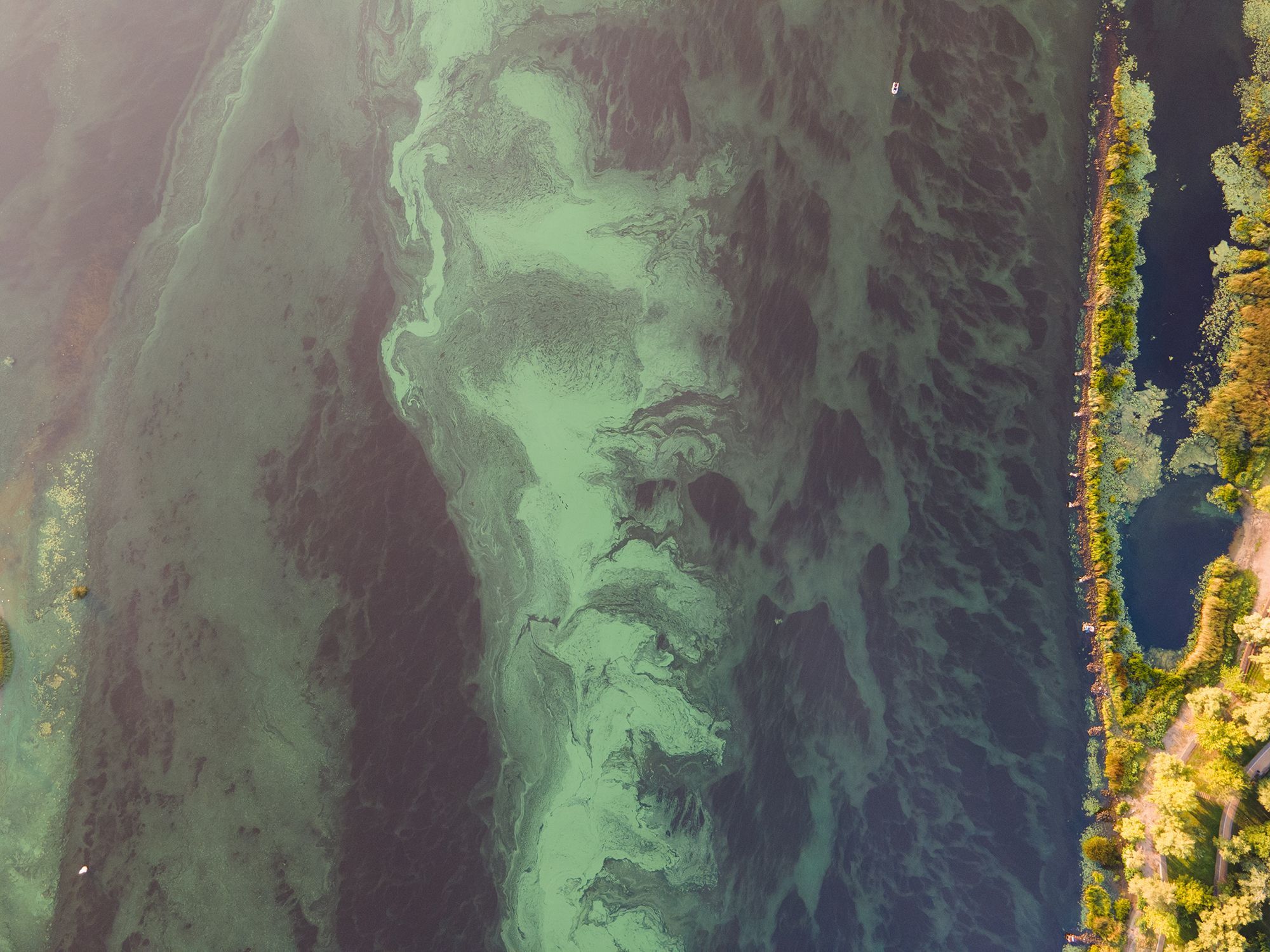
Nutrient-dense agricultural runoff, along with rising water temperatures caused by global warming, are triggering an increase in harmful algal blooms (HABs). These HABs occur when colonies of algae grow out of control, consuming available oxygen, blocking sunlight, and producing toxic chemicals that harm marine plants and animals, as well as people.
According to a study in the journal Nature, algal blooms increased in size by about 13 per cent between 2003 and 2020, while the National Centers for Coastal Ocean Science estimates that the average annual economic impact of HABs in the US is $10-100 million, with further social impacts that are difficult to quantify. Despite this, algal biomass can be leveraged as a useful resource, and innovators are working to turn algae from an environmental menace into a nature-based solution.
© Pete Niesen/Adobe Stock
INNOVATION ONE:
A cutting-edge system predicts algal blooms
University of Florida researchers, in collaboration with scientists at North Carolina State University and the University of South Florida, are working together to develop a harmful algal bloom (HAB) warning system. The next-day prediction model aims to inform water managers about harmful algal blooms and predict whether the algae-toxin risk is low, medium, or high.
The initial project was to design data- and model-driven guidance for Lake Okeechobee water releases, because water released from the lake feeds the Coupling Lake, Estuarine, and the Caloosahatchee River and Estuary. If the incorrect amount is released, the result can be damaging floods or ecological harm to the downstream recipients.

The platform provides a simple and convenient way to oversee system commissioning, debugging, and testing.”
© Hennadii/Adobe Stock
The prediction model uses computer algorithms and water samples collected from Lake Okeechobee and the river’s watershed – the water run-off from the surrounding land. The models determine the levels of chlorophyll-a, a pigment in algae that is indicative of algal bloom conditions, which informs the alert system.
Leader of the project Professor David Kaplan indicated that the results so far have been promising: “For watershed-dominated conditions, the model was able to predict 49 per cent of the variation in next-day chlorophyll-a, which isn’t bad, but for lake-dominated conditions, the model was much better, explaining 78 per cent of the variation in next-day chlorophyll-a in the water.”
The team hopes to deliver a system that will allow water managers to press a button to get the one-day risk forecast, so they can manage the water releases accordingly. With adequate data, the same procedure could be applied to other waterways around the world, helping to limit the harm caused by dangerous algal blooms.
TAKEAWAYS:
- Researchers are working to develop a harmful algal bloom (HAB) warning system
- The model aims to inform water managers about harmful algal blooms and predict whether the algae-toxin risk is low, medium, or high
- The team hopes to deliver a system that will allow water managers to press a button to get the one-day risk forecast, so they can manage water releases accordingly
INNOVATION TWO:
Using harmful algae to tackle pollution
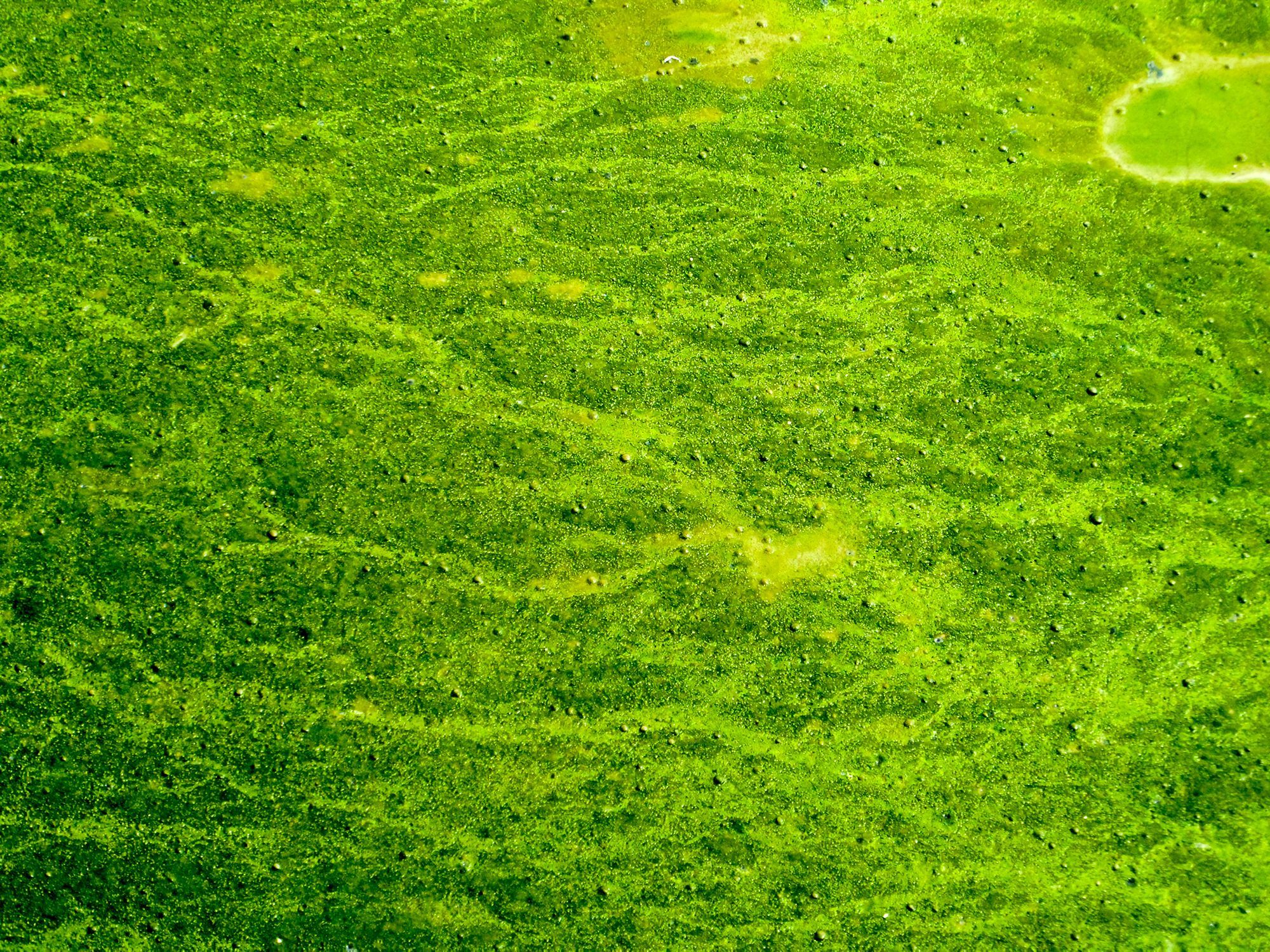
Researchers from the College of Engineering and Computer Science at Florida Atlantic University (FAU) are taking a new approach to tackle harmful algae. They have developed a process for converting algal biomass, especially cyanobacteria (also known as blue-green algae), into materials that actually remove harmful phosphates from water.
To convert the algae into adsorbent materials (which work by attracting and holding molecules in a thin layer on their surface), the team collected cyanobacterial biomass and processed it using microwave heating. Lanthanum chloride or zinc chloride were added to improve phosphate uptake.
Results of the study indicated that the lanthanum-modified algae-based adsorbents were highly effective at removing phosphorus from water, even at concentrations as high as 20 milligrammes per litre. The adsorbent material was able to remove 90 per cent of phosphorus using just 0.2 grammes of material per litre of contaminated water in just 30 minutes.
This approach could provide a way to not only use the harmful algae, but also provide a cost-effective solution to reduce the excess phosphorus that causes the blooms in the first place.”
© darkfoxelixir/Adobe Stock
Because the novel adsorbent is made using material from algal blooms, this approach could provide a way to not only use the harmful algae, but also provide a cost-effective solution to reduce the excess phosphorus that causes the blooms in the first place. If the technology can be scaled, these materials could help communities to reduce algal blooms, improve water quality, and protect ecosystems.
The research, conducted by a team in FAU’s College of Engineering and Computer Science, was funded by a grant from the Florida Department of Environmental Protection under the direction of the Blue-Green Algae Task Force.
TAKEAWAYS:
- Researchers have developed a process for converting algal biomass into materials that actually remove harmful phosphates from water
- To convert the algae into adsorbent materials, the team collected cyanobacterial biomass and processed it using microwave heating
- This approach could provide a way to not only use the harmful algae, but also reduce the excess phosphorus that causes blooms in the first place
© supratchai/Adobe Stock
INNOVATION THREE:
‘Algae forests’ fight water pollution
AlgaFilm Technologies has developed an algae-based nutrient removal and recovery technology for wastewater treatment systems, which could offer significant advantages over current technologies.
In essence, the patented solution harnesses the power of photosynthesis, consisting of a green algae biofilm that takes up nitrogen and phosphorus while also producing oxygen as it grows.
The biofilm is placed on inverted cones to create an ‘Algae Forest’ with a large surface area, but relatively low land footprint. Nutrient-rich effluent from wastewater is then introduced to the tops of the cones and flows down. Algae in the biofilm consumes the nitrogen and phosphorus in the wastewater, along with CO2 from the air, to create more biomass.
By reducing unnecessary and routine inspections, the frequency and efficiency of inspections can be optimised, resulting in cost savings.”
The oxygen produced can be used in the wastewater treatment process, saving energy on mechanical systems. As the algae grows, it can also be harvested and used to make biogas and biofuels, making the entire process carbon neutral.
AlgaFilm has received funding from the British Columbia Centre for Innovation and Clean Energy to help it scale its technology and attract project and financial partners. In January this year, the company also received investment from Burnt Island Ventures, an early-stage fund for the water sector.
TAKEAWAYS:
- AlgaFilm Technologies has developed an algae-based nutrient removal and recovery technology for wastewater treatment systems
- The solution utilises a green algae biofilm that takes up nitrogen and phosphorus while also producing oxygen
- The biofilm is placed on inverted cones to create an ‘Algae Forest’ with a large surface area, but relatively low land footprint