TREND FOUR:
HI-TECH URBAN GREENING
TREND FOUR:
HI-TECH URBAN GREENING
© samael334/Adobe Stock
Urban greening is the process of introducing or expanding greenery in cities, which has multiple benefits for both nature and human inhabitants. For example, the addition of green space has a measurable cooling effect, with one study finding that botanical gardens can cool city air by around 5 degrees Celsius during heatwaves, with other natural features, such as green walls, street trees, and rain gardens, also contributing to lower temperatures.
Another study drawing on 18 years of data suggests that “people are happier when living in urban areas with greater amounts of green space.” For nature, meanwhile, researchers in Australia found that boosting the diversity of native plants in a single urban green space led to a sevenfold increase in insect species. Social reformers have long intuitively understood the virtues of parks and planting, but innovators today are taking advantage of developments in AI to put urban greening on a more data-led footing.
© samael334/Adobe Stock
INNOVATION ONE:
Machine learning monitors urban greening
Trees and greenery lining city streets don’t just add charm, they also cool overheated neighbourhoods, support inhabitant wellbeing, and boost resilience against climate shocks. But as cities expand and climates shift, urban vegetation is quietly disappearing. A new study led by the International Institute for Applied Systems Analysis is turning that trend into a measurable, mappable challenge.
The research introduces a first-of-its-kind, open-source method to continuously monitor street-level greenery across the globe. At its heart is a machine learning model designed to estimate the Green View Index (GVI), which is an indicator of canopy cover based on street-level photographs. Trained on imagery from cities around the world, the model uses freely available satellite data to provide near real-time updates on how much green exists and where it’s vanishing fastest.
Unlike past approaches that often relied on expensive, fragmented, or localised data, this model delivers a scalable, global picture of street-level vegetation. By providing a consistent method for tracking its presence and decline on a global scale, the study has shown that green infrastructure plays a critical role in reducing urban heat and making cities more liveable.

In many cities, the most densely populated neighbourhoods are often the least green.”
© trongnguyen/Adobe Stock
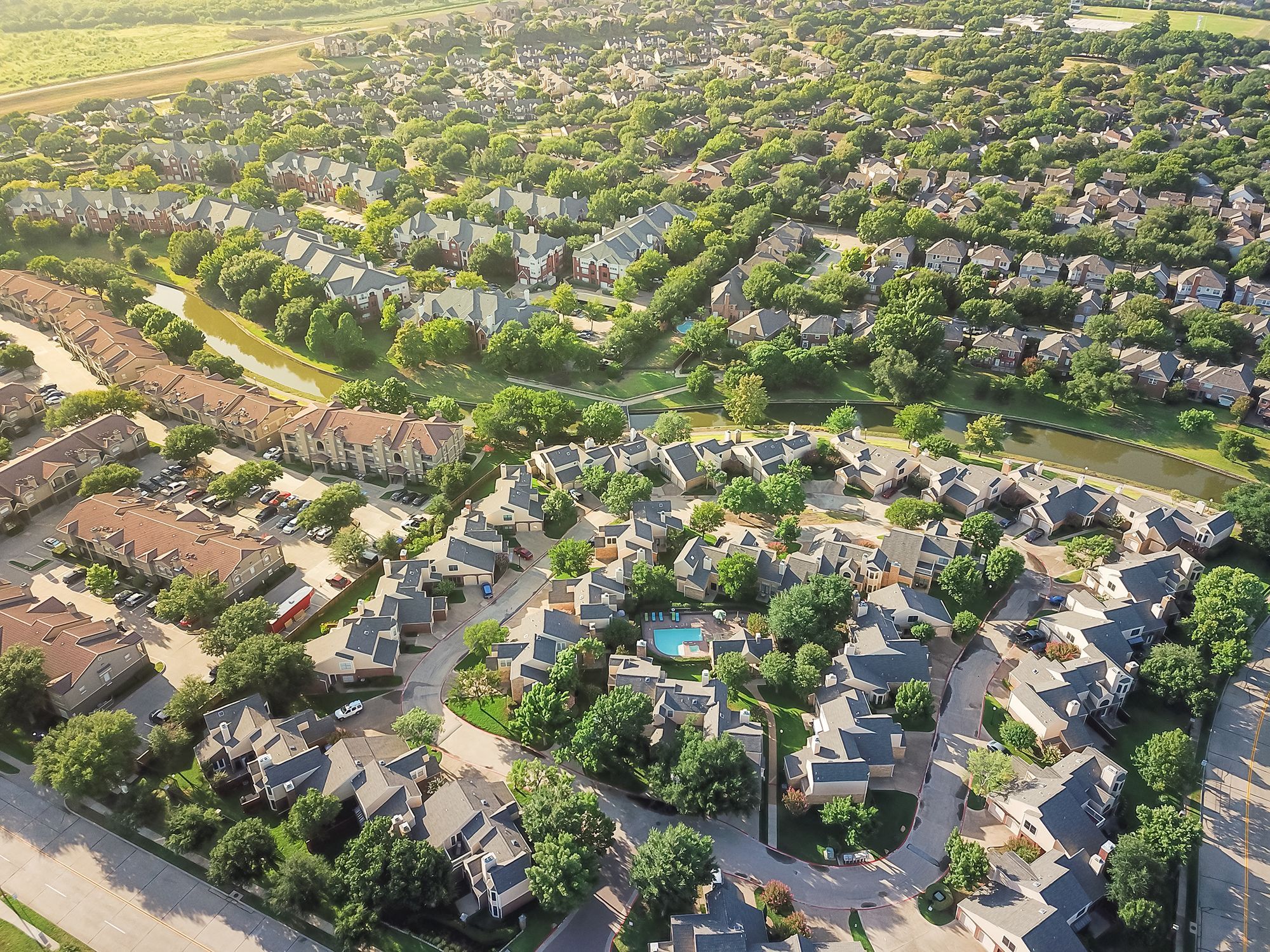
Applied to 190 major urban areas across 20 global regions, it uncovered a worrying trend: an average global decline in greenery of 0.3 to 0.5 per cent per year over an eight-year period. Some regions, including Asia and Oceania, saw even steeper drops of up to 2.6 per cent annually. Meanwhile, European and North American cities experienced modest increases.
These trends also highlight persistent inequalities in urban environments. In many cities, the most densely populated neighbourhoods are often the least green. This disparity not only affects quality of life, but also raises important concerns about fairness and access, especially as climate stressors like heatwaves become more frequent.
Looking ahead, the team hopes to scale adoption of the tool to support greener policies for city planning. With the model and its data publicly available, the study lays the groundwork for smarter, sustainable decisions in a warming world.
TAKEAWAYS:
- Researchers have developed a first-of-its-kind, open-source method to continuously monitor street-level greenery across the globe
- The machine learning model uses freely available satellite data to provide near real-time updates on how much green exists and where it’s vanishing fastest
- Unlike past approaches that often relied on expensive, fragmented, or localised data, this model delivers a scalable, global picture of street-level vegetation
INNOVATION TWO:
An AI system tracks urban tree health
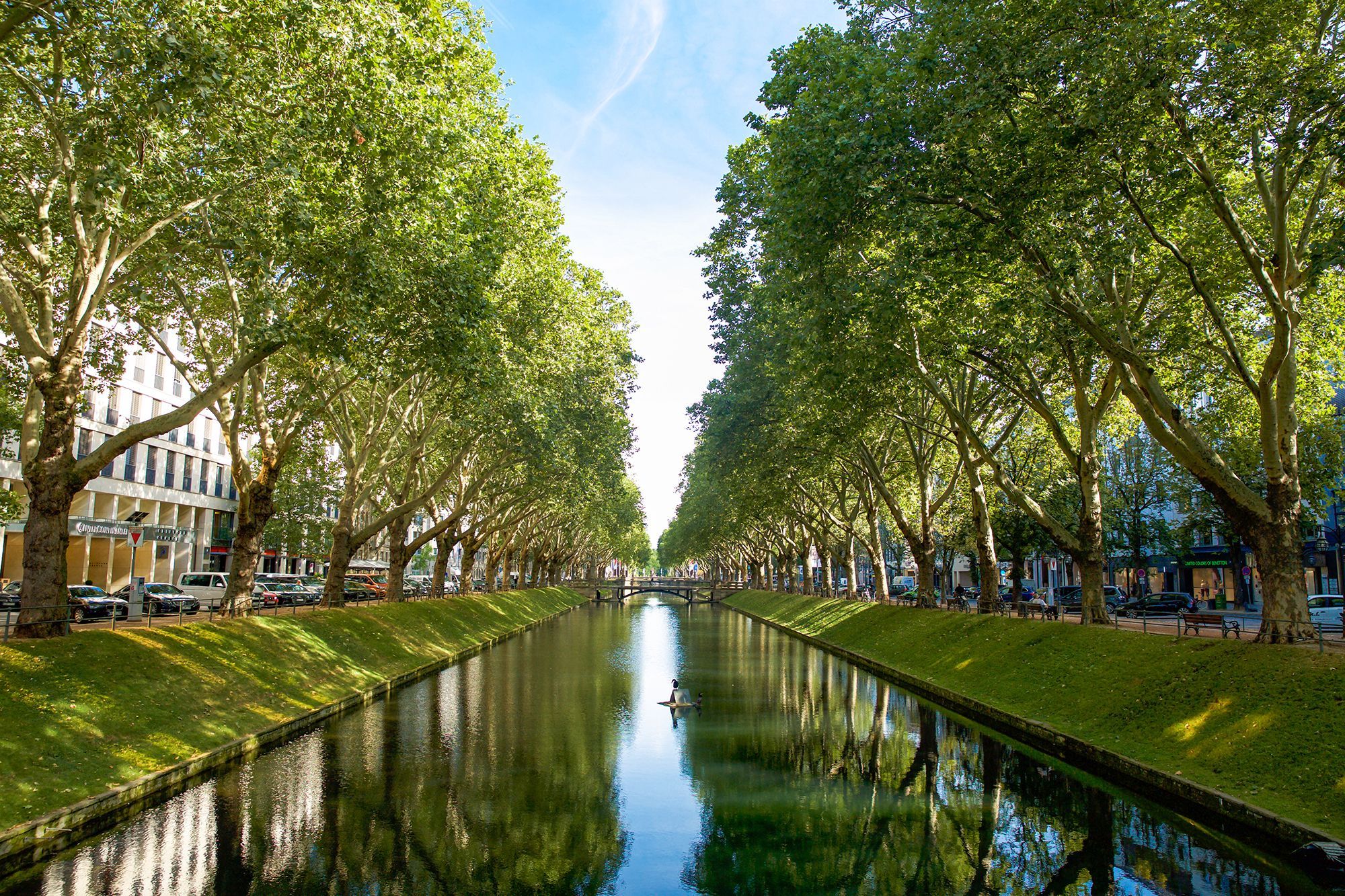
Trees bring a wealth of benefits to urban areas, improving air quality, regulating temperatures, and supporting biodiversity. But, because urban trees are vulnerable to disease, pests, and climate stress, monitoring their health is a time-consuming and labour-intensive task. Now, researchers at Waseda University and Ryukoku University in Japan have developed Plant Doctor, an AI-powered system that monitors plant health using ordinary video footage.
Designed to work with simple camera footage, such as from drones or even rubbish trucks, Plant Doctor enables automated monitoring without the need for invasive physical inspection. By combining several advanced machine vision algorithms, the system identifies and tracks individual leaves across video frames, meaning it can automatically detect damage from disease, pests, and fungi.
Whereas traditional monitoring of tree health requires costly equipment or manual inspection, Plant Doctor allows for precise, scalable monitoring in both public spaces and agricultural settings, discovering problems in time for effective treatment.
By detecting leaf damage early, this system aims to support proactive plant management in both urban and agricultural contexts.”
© shokokoart/Adobe Stock
“By detecting leaf damage early, this system aims to support proactive plant management in both urban and agricultural contexts,” Professor Shinjiro Umezu, co-lead of the project at Waseda University, explained to Springwise. “Unlike traditional classification models, our system provides quantitative results, such as the exact damage ratio per leaf, making it highly practical for large-scale monitoring.”
As cities and farms alike confront growing environmental pressures, tools like Plant Doctor offer a practical way to monitor and protect plant life, replacing clipboards and sample bags with AI-powered insights. The team now plans to adapt the platform for agriculture, extend its ability to distinguish between different types of damage, and explore deployment via smartphones, drones, or farm vehicles.